Video Blueprints
AI video analysis. Your next creative brief.
Send Otto a TikTok or Reel worth studying. It breaks down the hook, key moments, spoken lines, and on-screen text, then helps turn the structure into a brief for your brand. Your creator gets a direction they can shoot, not just a link to copy.
Video Blueprints example
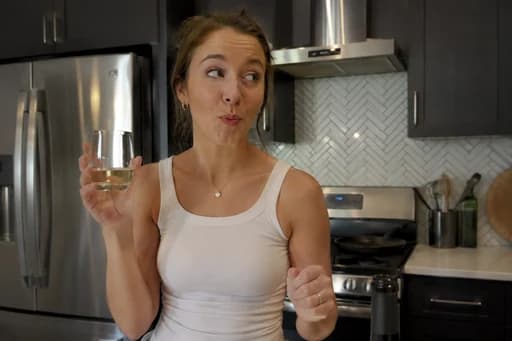 Source video · 00:24A small ritual.
A reason to watch.
A drink in the afternoon
Keep the structure. Make the story yours.
- 00–03sOpen with the moment
Show the afternoon slump before the product.
- 03–08sLet the product enter
Ice, pour, close-up. Make the change visible.
- 08–24sGive it a personal ending
A real reaction, then one clear next step.

The idea to test: show the moment your product fits into, then introduce it.
From a video in your saved folder to a direction your creator can use.
AI video analysis for creative research
See what happens beyond the transcript.
Send Otto a TikTok or Reel worth studying. It watches the creative through key visual moments, speech and screen text, then organizes what happens and when.
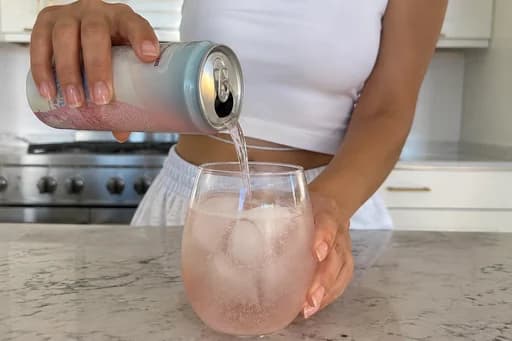
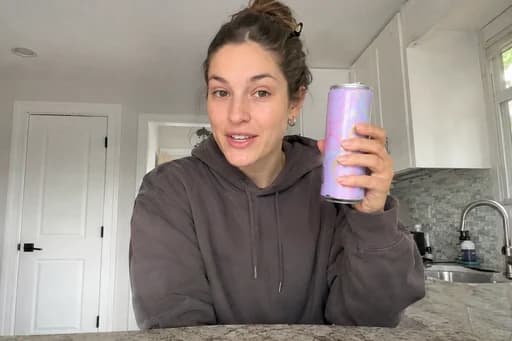
Product handling turns an abstract benefit into something you can see.
A personal situation gives the demonstration a reason to happen.
A short phrase reinforces the opening rather than adding a second story.
- What the viewer sees
- Study the opening shot, product demonstration and key changes in the visual story.
- What they hear and read
- Connect available spoken lines and on-screen text to the moment they support.
- One report to keep working from
- Confirm the analysis, let it run in the background, then ask about the hook, sequence or direction for your brief.
What you receive
A timed creative breakdown that connects what the viewer sees with what they hear and read.
From a saved reference to a useful explanation
Understand the job of each moment.
Understand how the opening, product moment and ending work together. A timed breakdown gives you a specific creative structure to discuss with your team.
Give every beat a job.
- 00–03sMake the moment recognizable
Open on the afternoon slump, before introducing the drink.
- 03–08sShow the change
Cut to ice, a pour and the first reaction.
- 08–18sExplain it in a human voice
Connect the ritual to the creator’s own day.
- 18–24sLeave one clear next step
End on the action the viewer should remember.
- The reason to keep watching
- Examine how the opening introduces a problem, creates curiosity or shows an unexpected result.
- The moment the product belongs
- See where the demonstration enters and how the creator makes the explanation feel relevant.
- One clear ending
- Look at the closing message and next step. Use the structure as an idea to test with your own audience.
A sharper creative conversation
Talk about the opening, demonstration and next step separately, then give them one coherent story.
Keep the structure. Make the idea yours.
Give your creator a direction they can shoot.
Turn a reference into a brief for your product. Otto helps connect the useful structure to your audience, message and next shoot.
The weeknight reset
Creative direction for a meal-kit creator
Replace the drink ritual with a cooking sequence. Let the creator use their own words and kitchen.
Review the hook, shots, duration and call to action against your actual campaign.
- Keep the useful idea
- A problem-to-demonstration sequence can travel across niches. A drink ritual could inspire a meal-kit cooking story.
- Make the details your own
- Adapt the setting, shots, spoken direction and product moment to your brand and the creator’s natural voice.
- Review before the shoot
- Align the hook, key scenes, product claims and call to action with your campaign. Give the creator a direction they can actually use.
From inspiration to production
A shared reference is helpful. A specific, reviewed brief makes the next step much easier.
From question to outcome
How do you turn a video into a UGC creative brief?
Give Otto a supported video link and the question you want answered. The analysis runs in the background, then the breakdown gives your next conversation a concrete starting point.
- 01You
Share a reference video
Paste a TikTok or Instagram Reel and describe what you want to learn.
- 02Otto
Otto analyzes the video
Review key frames, speech, timing, and visible on-screen text.
- 03Otto
Get the creative breakdown
See the hook, sequence, product moment, and closing direction together.
- 04You
Make the brief your own
Adapt the idea to your product, audience, and creator before the shoot.
Questions worth asking
Ask about the moment that matters.
Follow the analysis with a creative question. Otto can use the breakdown to explain the reference and help adapt the direction for a different product or audience.
Example conversation · A meal-kit team studying a beverage reference
Choose a question
It starts with a familiar daily moment before introducing the product. That gives the demonstration a reason to exist. For your meal kit, the equivalent could be deciding what to cook after a busy day.
Example interpretation of the observed opening structure.It starts with a familiar daily moment before introducing the product. That gives the demonstration a reason to exist. For your meal kit, the equivalent could be deciding what to cook after a busy day.
Choose the right workflow
What should a UGC creative brief include?
A good brief gives the creator enough direction to make the right video while leaving room for their natural delivery. Use the reference analysis to make that direction specific.
- The purpose and audience
- Explain who the video is for, the situation it addresses and the one action the campaign should encourage. Add the product context Otto needs to adapt the reference.
- The creative structure
- Describe the opening hook, product moment, key scenes, spoken direction and ending. Keep useful reference observations separate from the instructions for your new video.
- The production decisions
- Confirm deliverables, duration, brand requirements and approved product claims with the creator. The analysis is a starting point for this agreement, not a substitute for it.
Need someone who can bring the brief to life? Find UGC creators with Creator Match
A few useful answers
Video Blueprints FAQ
How do I analyze a TikTok video or Instagram Reel?
Share an accessible video link with Otto and explain what you want to study. After you confirm the proposed analysis, the workflow examines sampled key visuals, available speech, screen text and timing. Use the breakdown to discuss the hook, sequence or product moment, then review it alongside the source video.
What should a UGC creative brief include?
Include the campaign objective, audience, product context, opening hook, key scenes, spoken direction, call to action and production requirements. Video Blueprints helps turn observations from a reference into that creative direction. Confirm deliverables and approved product claims before sharing the final brief with your creator.
Can I adapt a reference from a different niche?
Yes. A structure such as problem, demonstration and personal payoff can be useful across categories. Tell Otto about your product and audience so the adaptation changes the details and message. Use the reference to understand the structure rather than copying another creator’s wording or identity.
What is the difference between a transcript and a video breakdown?
A transcript records spoken words. A creative video breakdown connects the available speech to key visuals, on-screen text, timing and the sequence of the idea. That broader context helps a team discuss what the next creator should show, not only what they should say.
What is Video Blueprints?
Video Blueprints is Octohog’s AI video analysis workflow for short-form creative. It breaks down supported TikTok videos and Instagram Reels into timed observations about key visuals, speech, on-screen text, and structure. You can use the result to develop a UGC creative brief.
Can I analyze a video through Ask Otto?
Yes. Share a supported video link with Ask Otto and ask for a breakdown. Otto prepares the analysis, which runs in the background after you confirm the proposed action. You can use the resulting report in follow-up questions about the hook, structure, or next brief.
Which video platforms and lengths are supported?
Video Blueprints supports accessible TikTok videos and Instagram Reels. The standard analysis is intended for short-form videos up to 90 seconds. Availability depends on access to the source video; private, removed, or otherwise inaccessible content cannot be analyzed.
Does Otto analyze every video frame?
The analysis uses sampled key frames alongside audio and timing information. It is designed to explain the creative’s key moments, not to perform an exhaustive inspection of every frame. The report can include observed screen text and spoken lines where those are available.
Is Video Blueprints an AI UGC video generator?
No. Video Blueprints analyzes reference videos and helps develop creative briefs. It does not generate a finished creator video or replace a production shoot. The goal is to give your team and creators a clearer direction before they make the next video.
Can the analysis tell me why an ad converted?
The breakdown can describe the creative structure and suggest ideas to test. A video alone does not reveal conversion results, attribution, or the cause of performance. Use the analysis as creative research alongside your own campaign data.
Meet your AI marketing teammate
Turn the next good video into a starting point.
Bring Otto a reference. Leave with a clearer direction for your next creator brief.